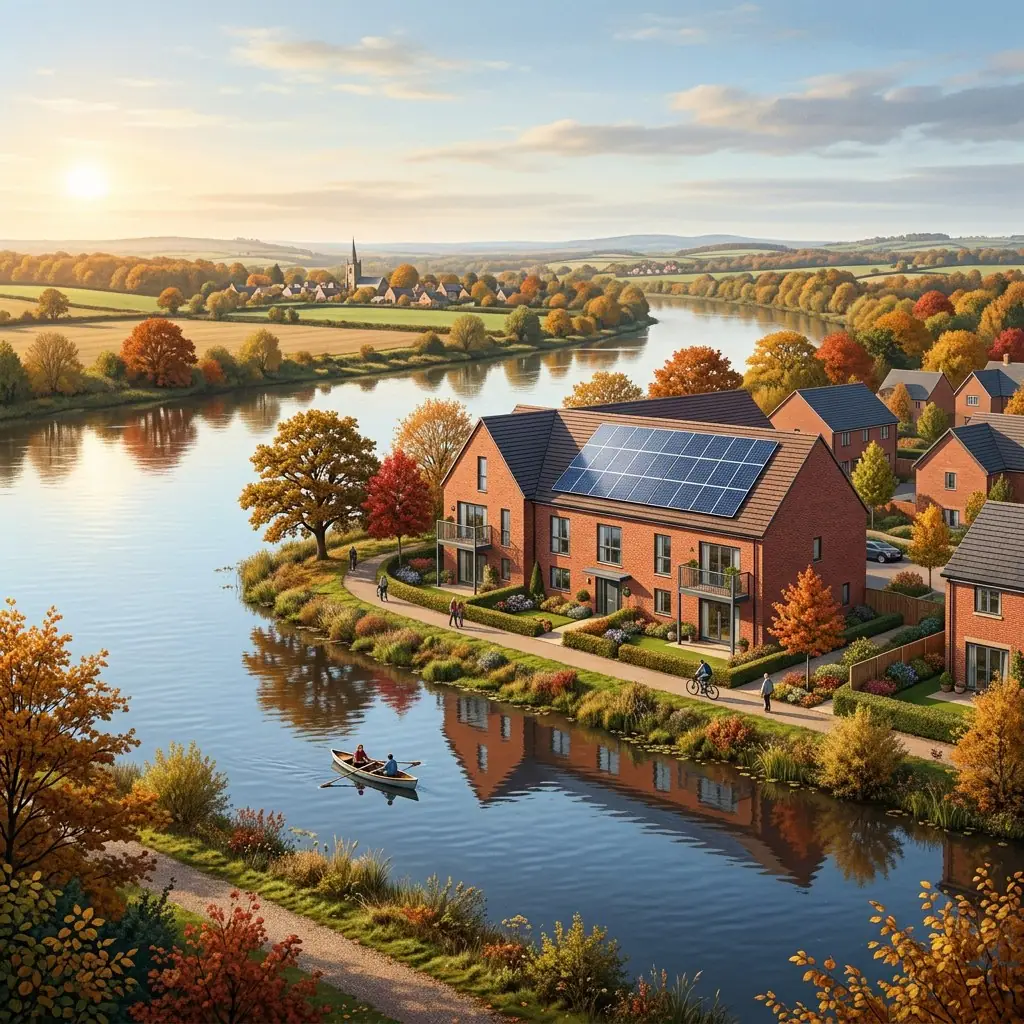
Roof visibility and heritage in the town centre
Gainsborough has separate Town Centre and Riverside conservation areas. The council’s town centre assessment names Market Place, Church Street, All Saints Church, the surroundings of the Old Hall and Caskgate Street as important parts of the historic townscape. For solar, the useful question is how a roof plane is seen from those streets and from neighbouring buildings of different heights.
Historic appraisals describe character at the time they were written. They do not tell you today’s permission position, so whether a property sits in a conservation area and what approval a layout needs should be confirmed with West Lindsey District Council. Being near Gainsborough Old Hall neither requires permission nor shows that panels are acceptable.
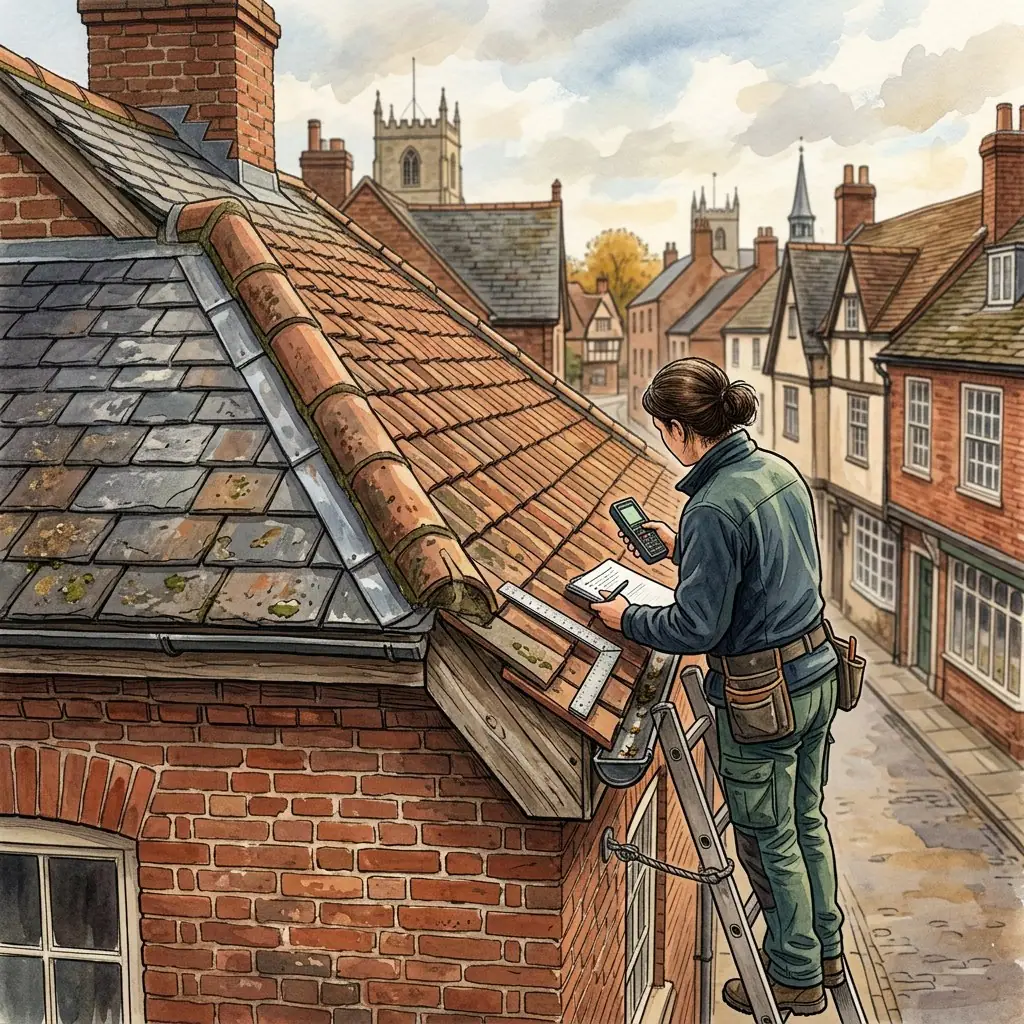
Site access along the riverside
The Riverside appraisal describes narrow access points between buildings and a corridor between the river and Caskgate Street, Bridge Street and Lea Road. On properties like these, getting a surveyor, deliveries and scaffold to the roof may be harder than designing the array. Rear lanes, shared passages and street parking all deserve an actual site check.
The A631 crosses the Trent at Gainsborough Bridge and meets the A156 in the town, so delivery arrangements are worth discussing in advance rather than assuming a fixed installation time.
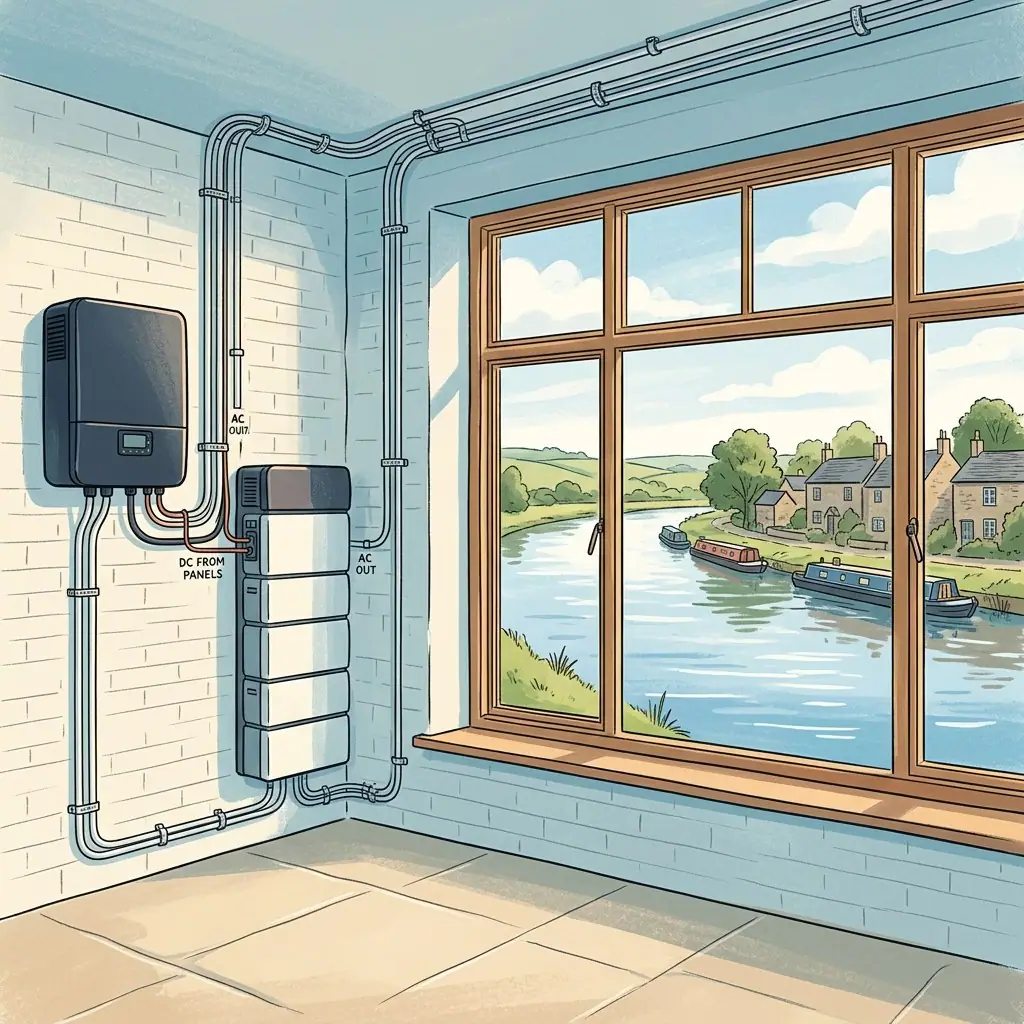
Electrical equipment placement near the Trent
The council’s heritage assessment describes a broad alluvial valley and floodplain soils around the town. That is not a blanket flood classification for every street, but it is a reason to check each property’s own flood exposure before choosing where an inverter or battery will sit.
Cable routes, the consumer unit and the meter position should be reviewed together, with the equipment location considered from the start rather than after the panels are placed.
What to prepare before a survey
Bring recent electricity bills, photographs of each roof slope and any ownership or conservation details you hold. If you are weighing a battery or comparing building types, these pages may help:
- Solar panel installation
- Residential solar installation
- Commercial solar installation
- Solar battery installation
- Solar energy consultation
Gainsborough on the map
The map is centred on Gainsborough town centre to show its setting beside the river. It does not mark business premises, a project or an installation address.
Gainsborough solar questions
Do I need permission for solar panels in a Gainsborough conservation area?
It depends on the property and the proposed layout. Conservation area status can change what is allowed, so check the current position with West Lindsey District Council before committing to a design.
Can a property near the river have a battery?
Possibly. The question is where it can be sited safely, considering space, ventilation and the property’s own flood exposure. A survey should settle the location before a battery is specified.
How is a roof in a narrow street surveyed?
Access is confirmed on site first: passages, parking and where a ladder or scaffold could stand. Survey and delivery arrangements are then agreed from what is found, not promised in advance.
Ask about a Gainsborough property
Use the homepage enquiry form to describe the building and explore the next step.