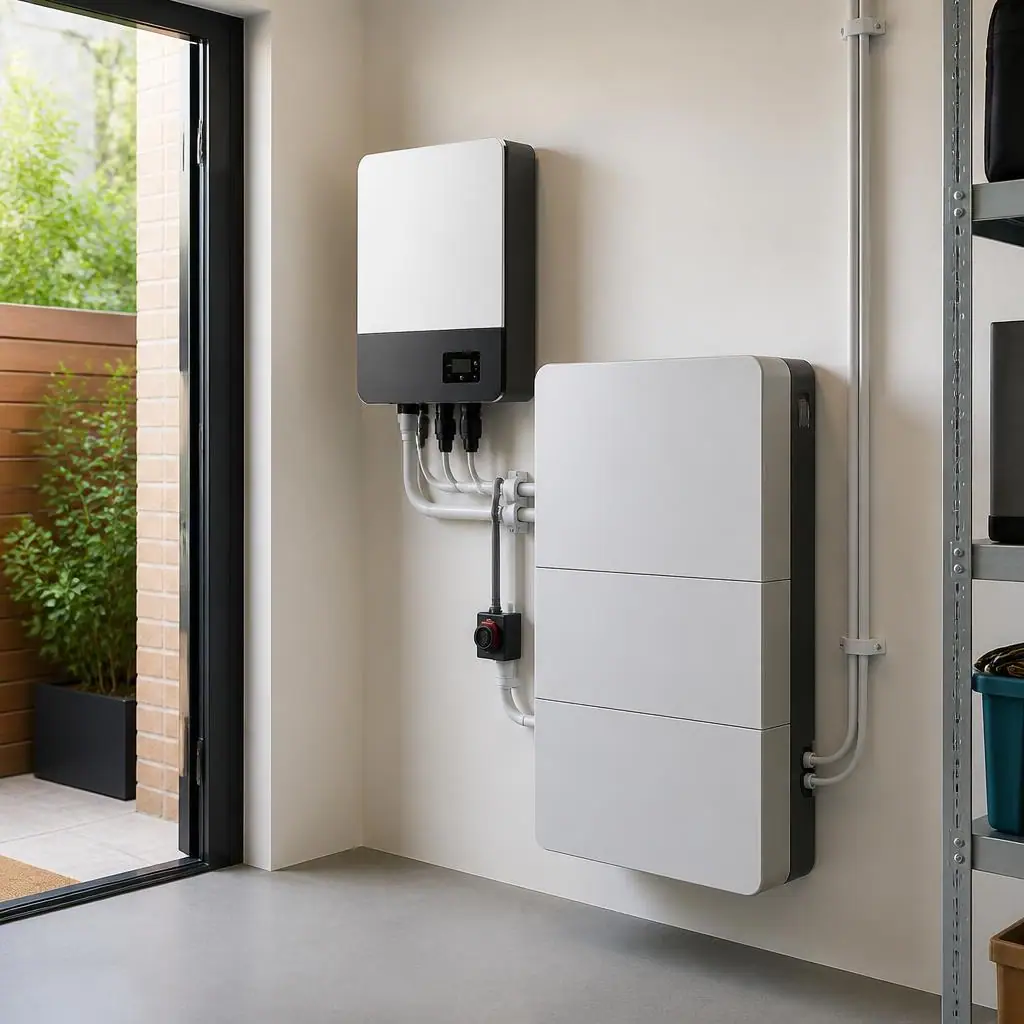
Solar Battery Installation for Lincoln properties
A battery stores electricity for later use, but whether that is a sensible addition depends on the installation and the way a building uses power. The starting point is to understand existing or proposed solar generation, demand through the day and what the owner wants storage to do.
Lincoln has a mix of homes, workplaces and community buildings, each with different construction and electricity patterns. The service is best explored through the real details of the site. This page sets out the topics to consider; it does not assume a particular roof, system size, saving or technical outcome.
Battery location and system compatibility
Planning considers battery location, ventilation and access, electrical connections, monitoring and compatibility with the rest of the system. It should also make clear how the battery is expected to operate and what happens when it reaches its available capacity.
Good preparation keeps practical questions visible. Identify who is responsible for the building, how access is managed and what records can be shared. For a new system, talk through energy use and plans for the property. For work on existing equipment, explain what has changed and when it began.
Space, access and equipment specifications
Available space, the condition of the electrical installation and the specifications of connected equipment all matter. The assessment should use current product information and the actual building layout rather than assume every battery can be fitted in the same way.
A first discussion can help organise those checks, but it should not be confused with a site survey or detailed design. Where information is incomplete, the next step is to say what needs confirmation. A clear account of limitations is part of a useful assessment.
Understanding when stored energy would be used
A record of electricity use and a description of evening or overnight demand can help make storage conversations more concrete. For an existing solar system, equipment details and any available generation information are useful starting points for checking compatibility.
Share only what is relevant to the question. A recent bill, a building plan or a photograph can help give context, but each has limits. A site specific review should decide what additional measurements or specialist checks are appropriate before any final recommendation is made.
Storage capacity is not the same as backup power
A battery’s usable energy capacity and the rate at which it can deliver electricity describe different limits. Neither alone proves that it can power a whole building during a grid interruption. Backup operation depends on the equipment, electrical design and any dedicated circuits or controls. Ask for those functions to be explained separately from everyday storage use. An existing solar system also needs a compatibility review, including its inverter, monitoring arrangement and the intended way the battery will be controlled.
Related solar information
Compare this topic with the full solar services directory, or read answers to common solar questions. To explore a question about a property in Lincoln, visit the contact page.