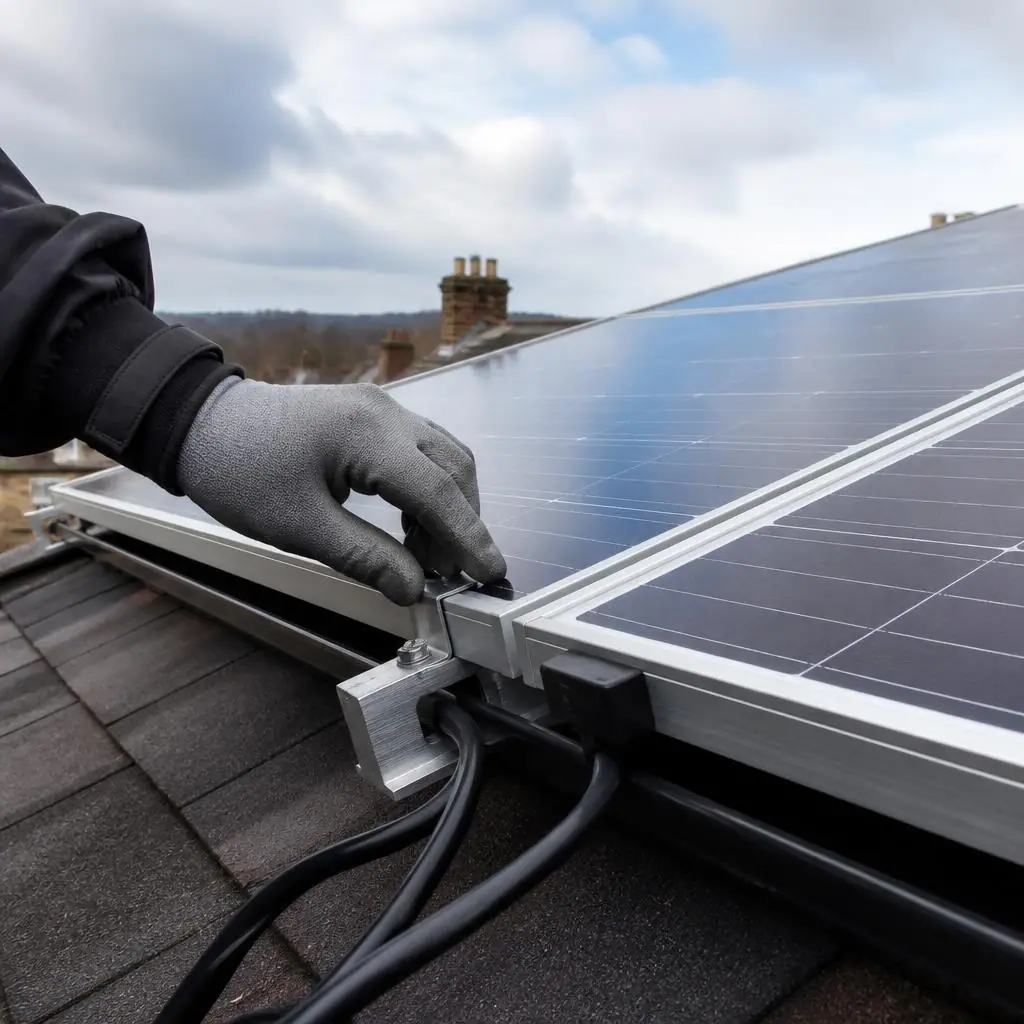
Solar Panel Repair for Lincoln properties
A change in system output, a visible issue or an equipment warning can have several possible causes. Repair work should begin by understanding the symptoms and the equipment involved, then follow a safe diagnostic process rather than jump to a replacement.
Lincoln has a mix of homes, workplaces and community buildings, each with different construction and electricity patterns. The service is best explored through the real details of the site. This page sets out the topics to consider; it does not assume a particular roof, system size, saving or technical outcome.
From a reported symptom to a diagnosis
Useful checks may include a review of system information, visual inspection where access is safe, equipment status and the condition of accessible connections. The findings help establish whether repair, further investigation or another specialist is appropriate.
Good preparation keeps practical questions visible. Identify who is responsible for the building, how access is managed and what records can be shared. For a new system, talk through energy use and plans for the property. For work on existing equipment, explain what has changed and when it began.
Electrical safety and access during fault investigation
Solar equipment can remain electrically active in daylight. Roof access and electrical diagnosis require suitable competence and precautions. Owners should not climb onto a roof or open electrical equipment to investigate a fault themselves.
A first discussion can help organise those checks, but it should not be confused with a site survey or detailed design. Where information is incomplete, the next step is to say what needs confirmation. A clear account of limitations is part of a useful assessment.
Recording warnings and changes in performance
If available, note when the issue began, any warning shown by monitoring equipment and changes to the system or building. Equipment make and model information can also help prepare for an assessment. Avoid resetting or altering equipment if it could obscure useful fault information.
Share only what is relevant to the question. A recent bill, a building plan or a photograph can help give context, but each has limits. A site specific review should decide what additional measurements or specialist checks are appropriate before any final recommendation is made.
Keep useful fault information available
An inverter warning, a monitoring gap and a change in recorded generation do not necessarily have the same cause. Note the time of the observation and whether it followed building work, a power interruption or a change to connected equipment. Photographs taken safely from ground level and copies of existing system records may be helpful. Do not open enclosures, disconnect cables or climb onto the roof to gather information. An assessment should identify the fault and its scope before a repair or replacement is proposed.
Related solar information
Compare this topic with the full solar services directory, or read answers to common solar questions. To explore a question about a property in Lincoln, visit the contact page.