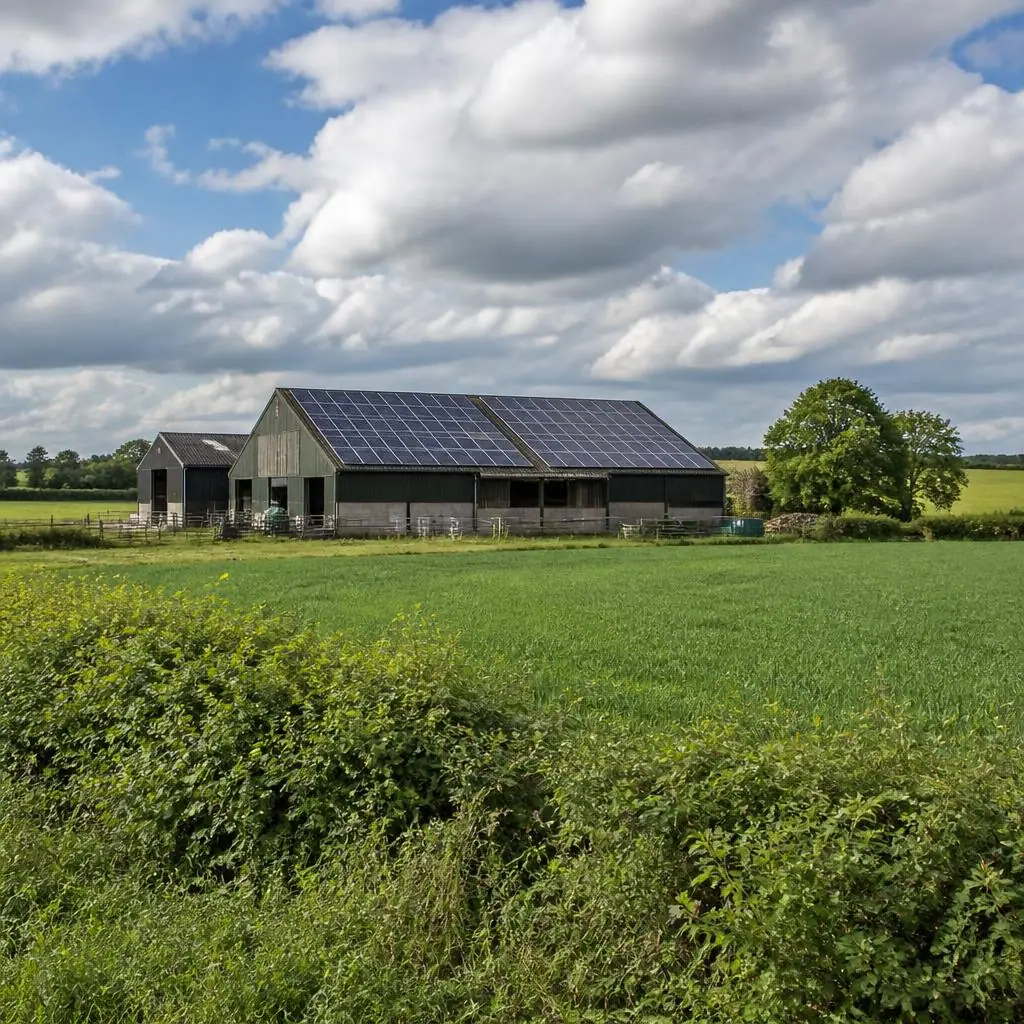
Agricultural Solar Installation for Lincoln properties
Farms use energy in ways that can change with seasons, buildings and working patterns. An agricultural solar assessment starts with the buildings and the activities they support, then considers whether generation could align with those demands.
Lincoln has a mix of homes, workplaces and community buildings, each with different construction and electricity patterns. The service is best explored through the real details of the site. This page sets out the topics to consider; it does not assume a particular roof, system size, saving or technical outcome.
Farm buildings, infrastructure and seasonal work
The site discussion can include barn roof condition, construction information, access, electrical infrastructure, nearby equipment and the timing of farm operations. Different buildings on one holding may have very different suitability and should be assessed on their own details.
Good preparation keeps practical questions visible. Identify who is responsible for the building, how access is managed and what records can be shared. For a new system, talk through energy use and plans for the property. For work on existing equipment, explain what has changed and when it began.
Roof materials and the practical farm setting
Building use, roof materials, structural condition and practical access need attention before a layout is proposed. Any relevant planning or property considerations should be identified for the specific site rather than assumed from the wider rural setting.
A first discussion can help organise those checks, but it should not be confused with a site survey or detailed design. Where information is incomplete, the next step is to say what needs confirmation. A clear account of limitations is part of a useful assessment.
Energy records across the agricultural year
Electricity records, building plans and an overview of seasonal demand can provide useful context. Note any planned repairs, changes of use or new equipment so they can be considered in the right order. A site visit can then focus on the questions that matter.
Share only what is relevant to the question. A recent bill, a building plan or a photograph can help give context, but each has limits. A site specific review should decide what additional measurements or specialist checks are appropriate before any final recommendation is made.
Assess each farm building on its own condition
A holding can include buildings erected at different times and for different purposes. Their roof materials, structures and electrical connections may not be comparable. Any uncertainty about a roof covering or its condition should be resolved by an appropriate specialist before installation work is planned. Seasonal loads, storage activity and machinery use can also affect the energy discussion. Reviewing those factors alongside planned building repairs helps avoid designing around an arrangement that may soon change.
Related solar information
Compare this topic with the full solar services directory, or read answers to common solar questions. To explore a question about a property in Lincoln, visit the contact page.